
Scott County Recent Arrests
The Scott County Detention Center inmate lookup is where a search should begin. It shows who is in custody now. It does not cover every arrest made in the county. Scott County publishes no standalone 24-hour feed. It promises no posting interval. Delays from booking, release, transfer, citations, or the vendor can all affect what appears. If a fresh booking is missing, call 502-863-7880.
| Question | Source |
|---|---|
| Just booked/current custody | County roster |
| Release alert | Kentucky VINE |
| Older booking | Records request or dated newspaper list |
| Case outcome | Scott Circuit Clerk |
| State sentence | KOOL |
| Federal custody | BOP or ICE |
Charges listed at booking can change. The court file shows the final outcome.
When Arrests Reach the Roster
No official source promises an overnight or weekend cadence for updates. The JailTracker lookup has also returned an "Invalid facility" response on its current agency request, which could be temporary or a vendor change rather than the end of the roster. Open the county page and try its roster link. If that fails, call the jail. The official lookup page is the direct route.

This county-controlled landing page is more stable than a vendor bookmark.
Search the Scott Arrest Roster
Search by full name. Then compare booking date, identifier, charge, bond, court data, and facility status where shown. Fields can shift over time. Scott County pulled public inmate photos from its website in January 2026. Current names and charges stay available. A specific booking photo now takes an open-records request, with no guarantee.
- Open the county lookup.
- Follow its roster link and search the name.
- Compare dates and identifiers, not photographs.
- Call the jail if the entry is absent or unclear.
Three tools cover different needs. Use Arrests Last 24 Hours for same-day searching, the Police Blotter for multi-day records, and the VINELink Custody Check for alerts. Scott-specific VINE participation is not assured, so double-check urgent results. The sheriff's app handles news and tips, not bookings.
Where Scott Arrests Are Published
Go official first. The jail roster covers current custody, the county request route covers retained records, and the News-Graphic public notice offers multi-day history without photos. Its September 4–11, 2025 notice listed names, ages, hometowns, charges, and bond. RecentlyBooked, Arrests.org, Mugshots.com, and Mugshots.zone are unofficial and often stale. Confirm every lead with the jail and the court. BustedNewspaper carries no Scott County, Kentucky section.
Recent Arrests by City
City police and county jail records can sit with different custodians. Use each city's official police route, then request the county booking record separately if you need it.
Scott County Arrest Record Fields
A booking record may hold a name, booking number and date, charges as booked, bond, court date, facility status, and a photo. A roster entry can vanish after release. The agency record and court case stay behind.
- Booking
- Jail intake after arrest.
- Bond
- A court-set release condition.
- Disposition
- The final court outcome.
- Expungement
- A legal process limiting access to qualifying records.
Scott Arrest Mugshots and Photos
WKYT reported on the 2026 policy change, and it changed how booking photos work in Scott County. The jail stopped posting mugshots publicly. Names and charges still appear, but the photos come down. Anyone who wants a booking photo must file a records request, and a KOOL offender picture reflects state custody rather than a fresh county arrest.
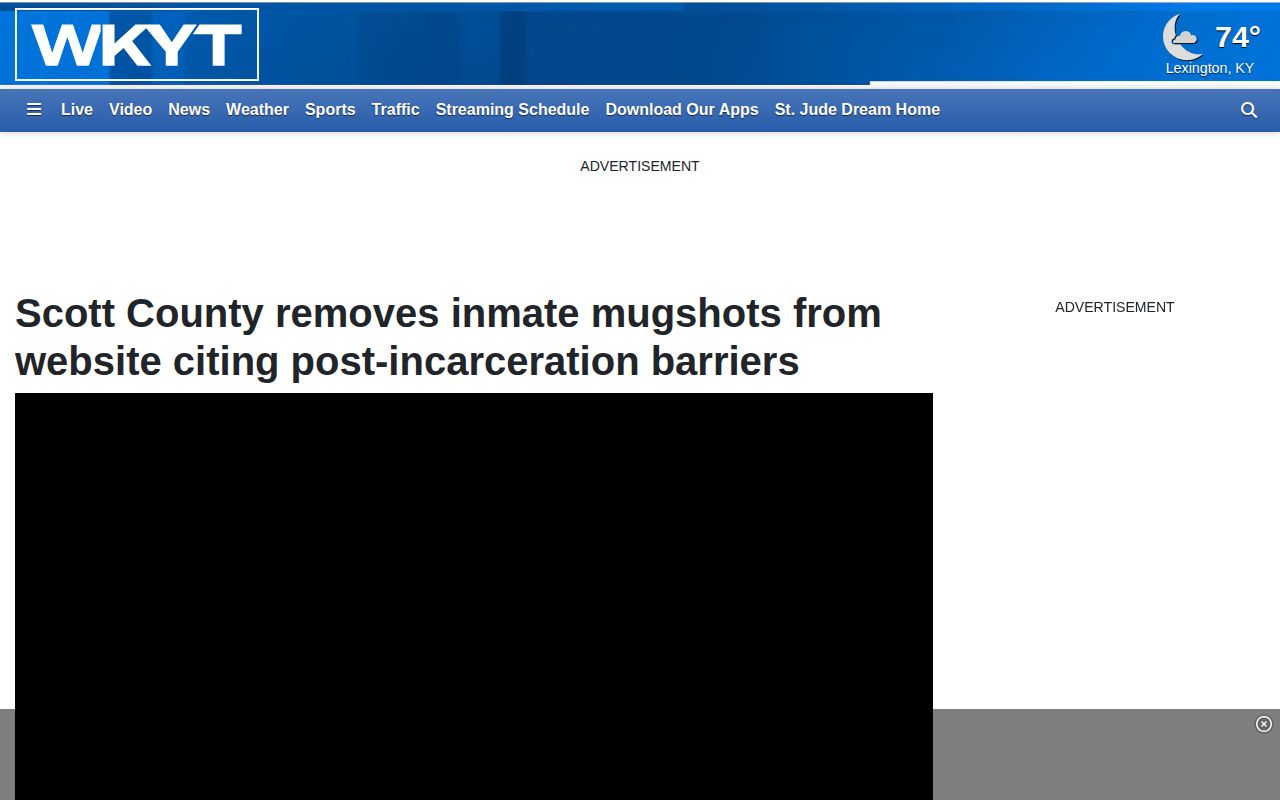
The report explains why an old third-party photo does not represent current county policy.
Request a Scott Arrest Record
The county request page names Stacy H. at stacyh@scottky.gov for county-government records. Under KRS 61.872, any Kentucky resident may submit a precise written request. Responses generally fall within five days, excluding weekends and legal holidays. The jail publishes no separate fee schedule.
- Give the name, approximate booking date, and agency.
- Request the existing booking record and photograph, if maintained and not exempt.
- Ask about format, fee, redaction, and retention status.
The official form is shown here.
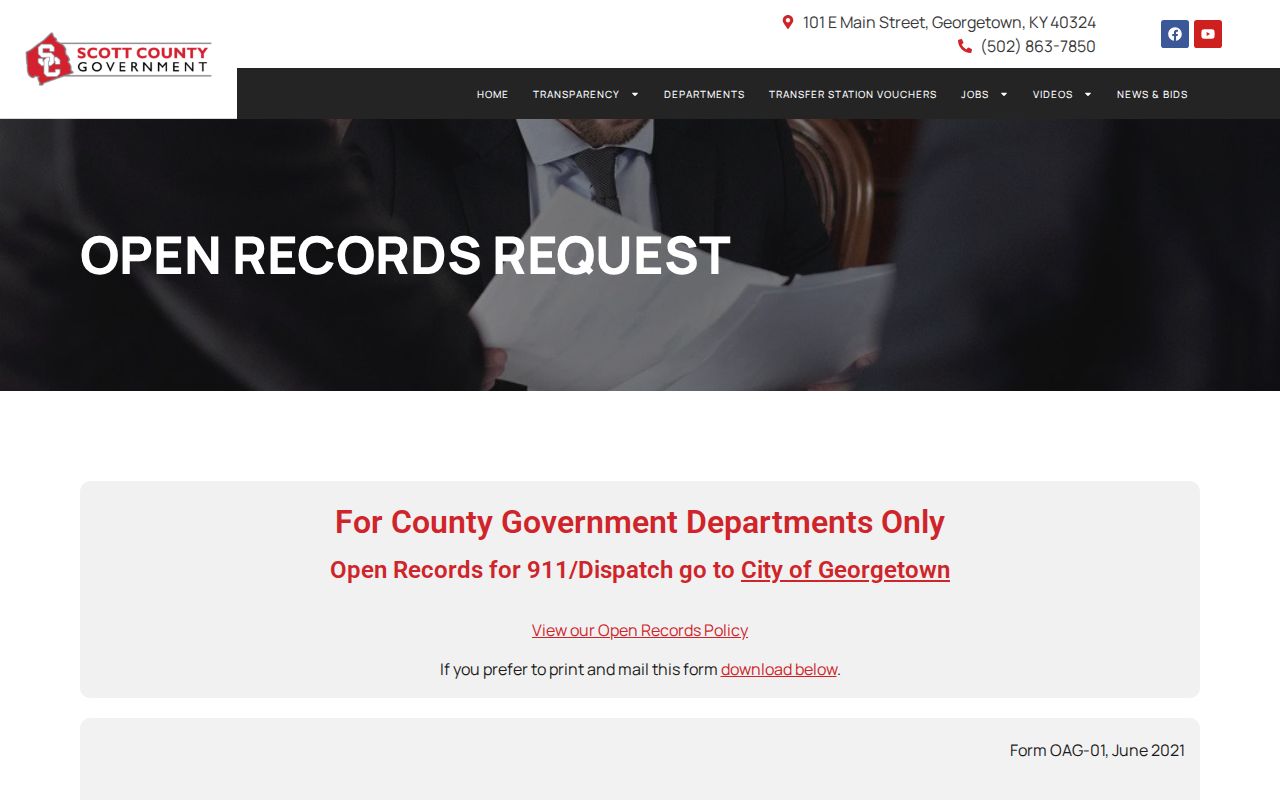
Georgetown city and dispatch records use the city process.
Correcting Arrest Photos Online
Fix the originating agency or court record first. KRS 61.8746 bars commercial use of agency-obtained booking photos when removal requires payment. It does not erase every copy. Skip paid-removal services. A few named secondary sites offer free voluntary correction routes, though those are neither county action nor legal guarantees. Once a source changes, a search engine refresh may clear a stale result.
Kentucky Arrest Records Law
KRS 61.878 allows protected material to be withheld and nonexempt parts separated where feasible. Juvenile, sealed, expunged, medical, and investigative details may be redacted. The jailer schedule keeps daily logs five years. It generally destroys inmate files five years after release. Some non-evidentiary video lasts only 30 days. A retention schedule is not a web deletion promise. Older cases may sit with the clerk, KDLA, or the State Records Center. The microfilm inventory is another stop.
Scott Arrest Warrants and Wanted Lists
Scott County posts no public most-wanted roster. There is no warrant search either. Kentucky eWarrants serves authorized users only. Confirm a warrant through the Circuit Clerk, the Sheriff's Office, or an attorney. Never approach a wanted person. Tips go to the Sheriff's reporting page; emergencies go to 911.
After a Scott County Arrest
After a Scott County arrest, arraignment comes first. This is where charges and release terms get addressed. The county posts no bond schedule or bond-out timetable. For case records, call the Circuit Clerk's office, which the Scott County court page lists at 502-863-0474. The clerk, not the AOC, keeps individual case files, and the official court contact appears here.
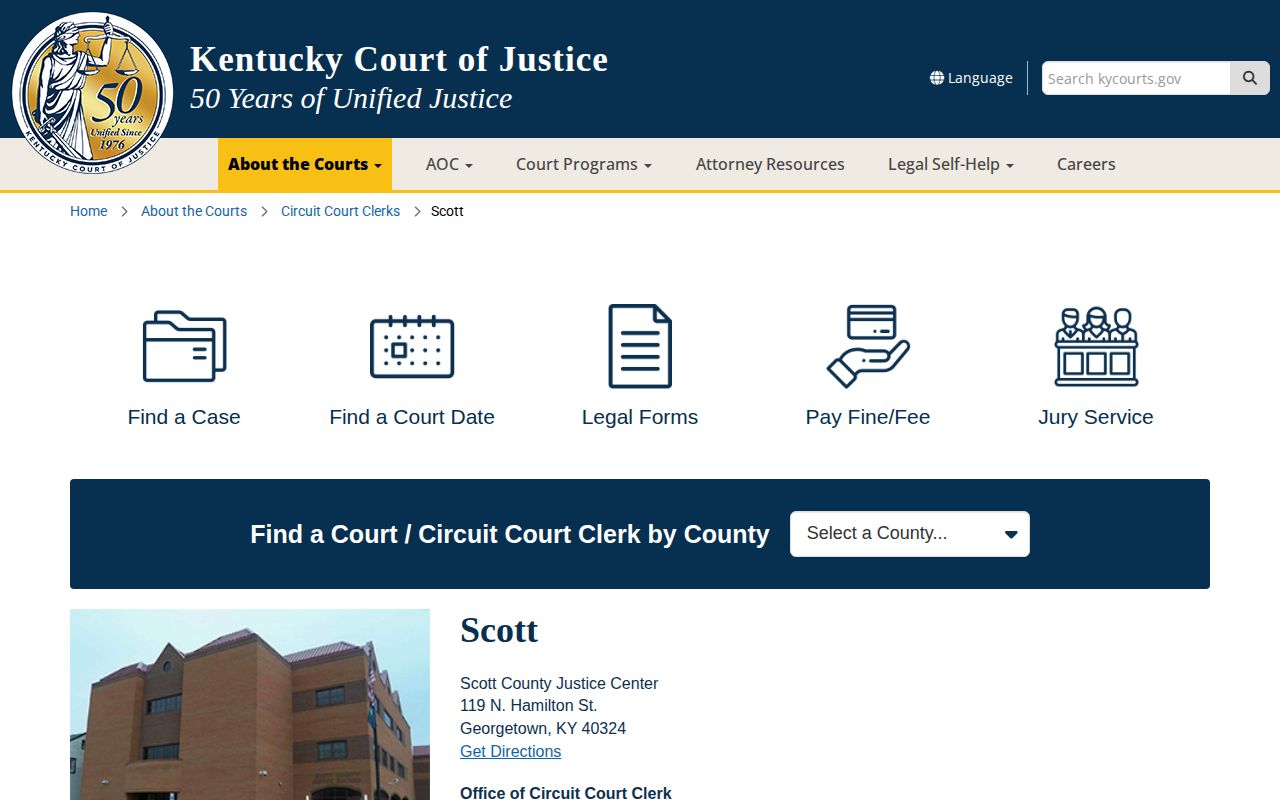
Use the disposition because intake charges may be reduced, dismissed, or resolved differently.
Expungement and Older Records
Kentucky automatically expunges some qualifying dismissals with prejudice and acquittals after 30 days when entered on or after July 15, 2020, excluding traffic matters. Other routes carry distinct waits, forms, certifications, and fees. Eligibility is fact-specific. Ask the clerk, public defender, prosecutor, or a lawyer. Hand the order to the relevant custodian and ask when linked systems will update.
State and Federal Custody
Kentucky keeps its state offender data in KOOL, which covers everyone in DOC custody and sometimes shows a photo. KOOL is not the Scott County booking roster. The federal side lives in the BOP locator, which holds no booking photos. ICE runs its own detainee lookup. Match the tool to the agency holding the person. KOOL refreshes daily, though Kentucky DOC warns that final discharge details can take up to 120 days. Want a specific state record or image? Email correctionsopenrecords@ky.gov with the offender's full name, birth date, or number. BOP searches take a register number or a name. ICE applies separate identifiers and coverage rules, so none of these systems replaces the county booking record or the Circuit Clerk's case file.
Fresh Arrest Timing and Release
A same-day Scott County arrest search runs into checkpoints. The person may sit with the arresting agency, ride in transport, or clear medical and classification first. Only then does the name hit the public roster. Slow data entry or a vendor outage can add more delay. A citation, a quick release, or a transfer can keep someone out of the jail's current population entirely. No county source gives an overnight batch time, a weekend cadence, or a firm arrest-to-posting interval. Retry the roster, then call the jail at 502-863-7880.
Release flips the problem. A name drops off the current roster after bond, transfer, or discharge, while the booking record, the newspaper entry, and the court case live on. Scott County material can show a bond amount in jail or newspaper listings, but the county posts no bond schedule or bond-out turnaround. Confirm the figure with the jail or the clerk. A gap in an aggregator is not proof of release. A dated newspaper item doesn't prove confinement either.
Scott Arrest Records Across Agencies
Four agencies split the Scott County arrest record. Georgetown Police may hold the incident or arrest report. Scott County Detention Center holds the intake record and any booking photograph it kept. Georgetown's written-request process publishes its own fees and a five-working-day response window. Don't carry those city fees onto a jail request, because Scott County publishes no jail-specific copy schedule. Stamping Ground and Sadieville offer official records contacts but no public arrest blotter.
The jail record shows what intake captured. A bond amount is one order at one moment, not a promise the person walks out. Court dates move. A detainer is another authority's request to hold someone or get notice, and it can affect custody after local bond is settled. The court file can later hold citations, pleadings, motions, orders, dockets, evidence, video, transcripts, pleas, judgments, and sentencing terms. Keep the booking number and date. Custodians need them to separate events.
Scott County's Circuit Clerk holds the final outcome. CourtNet guest access helps locate a current case, though display limits and search rules can shift. Judicial Indexes help with older cases. That index may file a criminal case by indictment date, not arrest date. A blank guest result proves nothing. An arrest or case can still exist. The clerk can tell you whether a record sits onsite, moved to storage, or was destroyed under schedule.
Protected and Archived Arrest Material
Retention and disclosure answer different questions. A schedule says how long a record series survives. Open-records law decides what may be copied. A Scott County inmate file can hold admission and release papers, court orders, property records, photographs, incidents, hearings, programs, and calls. Medical, juvenile, investigative, sealed, expunged, and security-sensitive material may still be withheld or redacted. Roster access does not open every page beneath it.
The Kentucky jailer schedule keeps daily logs and special reports for five years. Destruction is allowed after that. Inmate files, classification sheets, and jail registers generally reach destruction five years after release. Non-evidentiary audio or video may last 30 days. Evidentiary or open-request recordings follow the life of the related activity. Need a specific recording? Act promptly and ask about preservation. These schedules don't promise a web result stays visible that long.
Old arrest research runs on two tracks. Ask the jail about the booking file. Ask the clerk for the case record and storage. KDLA's permanent court holdings run strongest from statehood through 7, with gaps and some later material. Post-1978 files may need a case number, box, or accession detail from the clerk plus help from the State Records Center. Kentucky's microfilm inventory is a finding aid, not a promise that documents or photos can be viewed online.
Photo Correction and Expungement
Removing a booking photo involves several separate tracks. They include agency correction, court expungement, publisher removal, and search-engine refresh. Correct the originating jail or court record first. Save every document. Keep the source URL, booking details, correspondence, any dismissal or acquittal paperwork, and a certified order. A third-party site may offer a free voluntary takedown. Its choice does not bind Scott County. Search engines refresh stale text or an old image only after the source changes. A refresh never forces the original page to delete anything.
Kentucky law builds in some automatic relief. Dismissals with prejudice and acquittals entered on or after July 15, 2020 are expunged automatically after 30 days. Traffic matters stay excluded. Class D felonies follow a different path. Those generally require a five-year wait after sentence completion or successful probation or parole. Exceptions apply, along with certification, filing costs, and a prosecutor objection process. A felony that was never indicted uses its own route after the district court decides. Eligibility turns on the facts. Ask the clerk, public defender, prosecutor, or a qualified attorney.
An expungement order goes out to more than one agency. These can include Kentucky State Police, the arresting agency, and the local jail. Give each custodian the certified order or distribution details. Ask when its connected systems will update. Scott County already keeps mugshots off the public roster, but old third-party copies carry no broad county promise. Expungement changes legal record access rather than serving as a web takedown. Cached results may linger after the law moves.
Scott Warrant Verification Steps
Scott County handles warrants through a complaint-to-judge process. No public online index exists. A person seeking a warrant or summons starts at the County Attorney's Mediation and Warrants Office. A judge then decides whether one should issue. The proper agency serves or executes it afterward. Search warrants and arrest warrants stay distinct. Kentucky's access-controlled eWarrants system can hold either kind, and its login warns that unauthorized access is prohibited and monitored.
For a lawful status question, call the Circuit Clerk at the Scott County Justice Center, 119 N. Hamilton Street, Georgetown, at 502-863-0474. Ask which filed case records the office can search. The Sheriff's Office at 502-863-7855 and dispatch at 502-863-7820 answer law-enforcement questions. Talk to a lawyer or the court. Scott County publishes no official most-wanted roster, no warrant-Wednesday feature, no reward page, and no wanted-photo cadence. Do not invent one. Never approach a wanted person.
Choosing the Right Arrest Source
Begin with custody status, not with the site you know best. Someone newly booked or still held locally shows up on the Scott County Detention Center landing page and roster. A person who bonded out may not, so try a targeted jail request and the dated News-Graphic public-notice archive. Kentucky VINE sends release and transfer alerts. Confirm anything time-sensitive by telephone. The Circuit Clerk holds the filed charge and the final result. A sentenced state prisoner belongs in KOOL. Federal prison and immigration detention each need their own federal locator.
This order prevents the usual mistakes. A current roster is not a complete arrest history. A newspaper list is not live custody. A third-party page is not a government record, even one dressed in official agency names. A court search is not a same-day booking feed. Keep the person's full name, approximate dates, arresting agency, and booking or case number together as you move between systems. Those details make mismatches easier to spot and help an official custodian locate the right arrest event.
When sources conflict, trust the originating office. Call the jail about physical custody, the police agency for its report, and the clerk about court disposition. Request an explanation for a withheld or redacted record instead of assuming the full file is public. Safety concerns, release notification, or a possible warrant call for prompt official contacts. Search results are leads. Agency and court records confirm.
Scott County Sheriff’s Office Location and Directions
Public Record Search
Sponsored Results